Key Takeaways
-
71% of returns in pro matches are played low
-
77% of low returns target the server
-
Nearly 70% of lobs are directed at the shortest player
Positioning before the serve
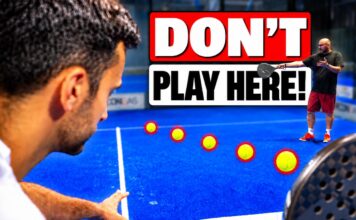
One of the most common mistakes players make is standing too close to the service line or sidewall. This leaves them vulnerable to deep serves and reduces space to prepare. A better reference point is the joint between the side glass panels, allowing easier forward movement and balanced preparation.
Playing before or after the glass
The decision to hit before or after the side glass depends on depth, speed, and spin. “If you can comfortably play the ball before the side glass, do it,” explained the analyst, noting that this simplifies the shot and takes time away from opponents. By contacting earlier, the server is forced to volley from a deeper position, often while still moving forward.
Targeting the right opponent
Analysis of professional matches shows clear tactical patterns. Most returns are kept low, and 77% of those are aimed at the server, who is still recovering balance and advancing to the net. Lobs, on the other hand, are often directed at the shortest player on court to exploit weaker overhead reach.
Tactical lessons for players
The data reveals that padel returns are not random but guided by strategic choices. Playing low to the server forces errors, while lobbing against the less imposing overhead creates opportunities. These principles can help recreational players make smarter decisions from the very first shot of the rally.
Conclusion
Improving the return in padel is about more than technique—it’s about positioning, timing, and choosing the right target. By applying the same tactical insights used by professionals, players can gain control of points early and put pressure on opponents immediately.